quinn ·
When certified Android TV boxes turn into hidden proxies
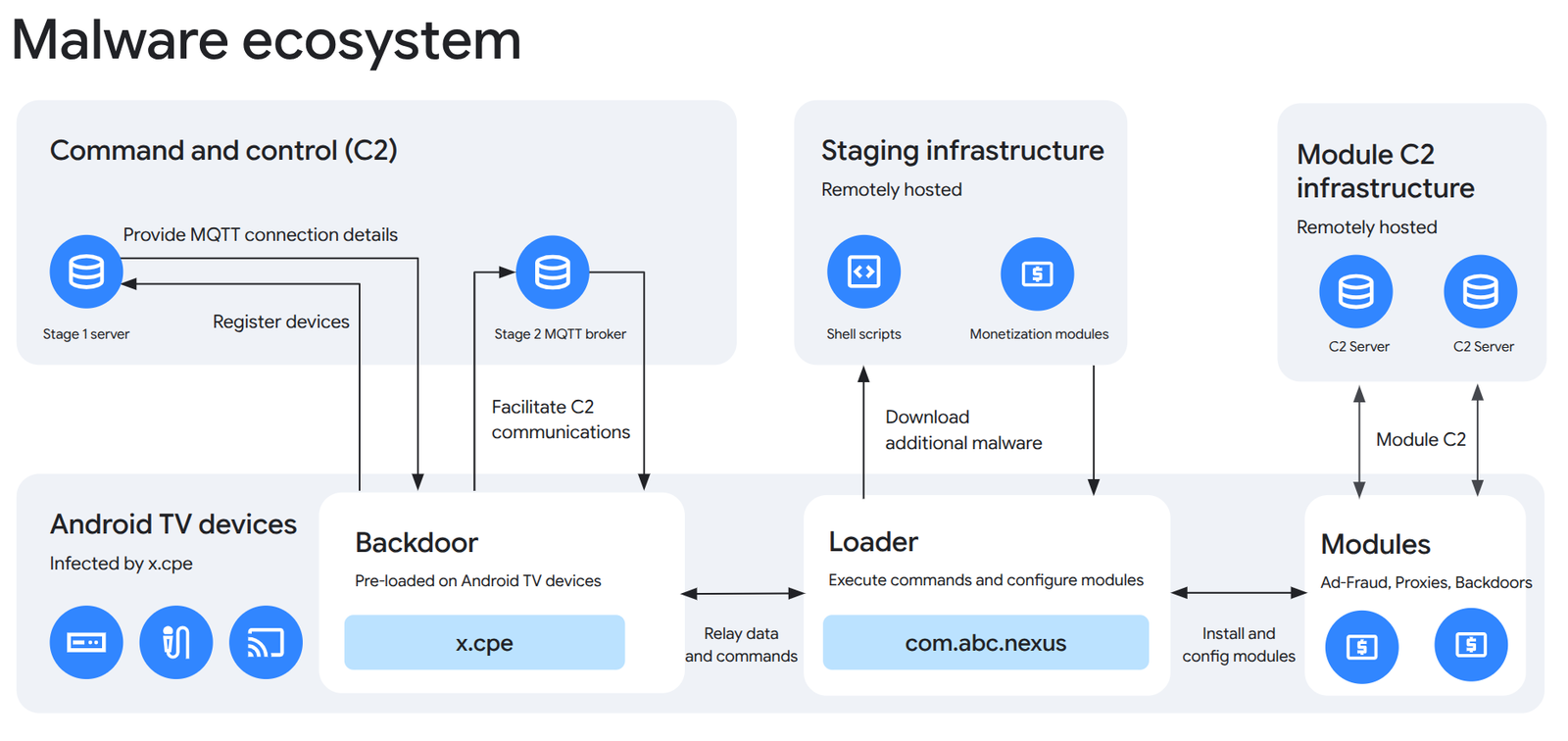
What gets me about this whole mess is how these devices managed to sneak past official checks in the first place. Google says certification missed the threat because the manufacturer used clever obfuscation, essentially waiting until boxes were sitting in living rooms before downloading the actual malware. It makes you wonder how reliable any initial hardware screening can be when a backdoor can just activate post-setup and turn Play Protect right off. The tricky part now is that even with the servers shut down, the cleanup on the user end sounds messy. Because the leftover pieces are baked in as system apps, everyday users cannot easily scrub them out themselves. Sure, cutting ties with the manufacturer stops future shipments, but leaving millions of living room boxes in a half-fixed state feels like a quiet reminder of how fragile our hardware trust really is.
Discussion
- juniper
Waiting until the box is already in the living room to deploy the payload is wild.
- rowan
Stopping new shipments is a good start, but what about the devices people already have at home? Fixing millions of them could be difficult, especially if owners don’t know there’s a problem.
- mira
The delayed activation trick is such a sneaky move. Relying on an initial hardware stamp when code can just shift gears after setup makes standard certification feel pretty pointless.